commercial property

Why Do I Need Commercial Property Insurance?

Do you own or lease an office space, warehouse, or retail property? Are you protected if a fire or storm damages your building? Commercial property insurance reimburses you for both damage to the building and the loss of business property inside of it.

What risks Do Commercial Property Insurance Policies cover?

For landlords, commercial property insurance plays a central role in protecting the buildings and structures they rent out. It covers damage to the physical property itself—such as the roof, walls, and common areas—due to fire, theft, storms, vandalism, and other covered events. Tenants typically insure their own contents and operations through a Business Owner’s Policy (BOP), while landlords remain responsible for the building itself. If a tenant wants property protection without getting a BOP, they would only need it for their business personal property since the landlord’s policy would cover the building,

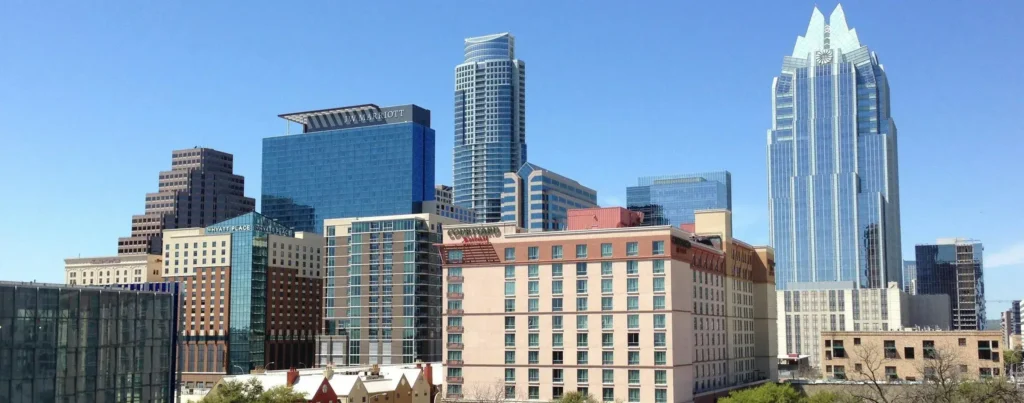
City skyline displaying buildings that need commercial property insurance for protection.

Government Resources for Commercial Property Insurance

While Lanco Brokerage can help tailor the right policy for your location, business owners should also check out the Information for Small Businesses web page by the NY Department of Financial Services (NY DFS). Scroll down to the monoline policies section to learn more about property insurance. Scroll further to learn about the different commercial property insurance forms.

For business owners in New Jersey, the New Jersey Department of Banking & Insurance provides helpful information on property and casualty insurance considerations specific to New Jersey. However, there isn’t a section dedicated solely to commercial property insurance. You can still use the NY DFS website to learn more about this topic since the general information they provide there is relevant anywhere in the U.S.

talk to an insurance specialist

Get expert guidance from licensed insurance professionals who understand your unique needs. We’re here to help you find the right coverage—fast. Call us today to get started!

Toll Free Number

Understand Your Coverage

Already a client? Unsure what your policy includes? Get a clear breakdown of your current coverage, exclusions, and options for updates or changes.

Get a Competitive Quote

We can help you find the right policy and potentially lower your premiums. Let us shop for you and show you what you're missing!

make a claim

When the unexpected happens, our claims support team is here to guide you every step of the way. We work with you to handle your claim efficiently.

FAQs

1.) What deductible options and premium discounts are available for commercial property insurance?

Commercial property insurance allows flexibility in deductibles. Typical options range from $500–$5,000 depending on carrier and property risk profile. Choosing a higher deductible can significantly reduce premium costs, but be prepared to cover that amount out of pocket in a loss event. For other ways to lower your premium, many insurers offer premium discounts based on risk-reducing features such as installing monitored fire alarms, sprinkler systems, security cameras, and panic bars. Insurers sometimes provide credits for compliance with local fire-safety ordinances or building renovations that bring structures up to modern safety standards. Customizing your deductible and exploring qualifying risk mitigators can help you strike the right balance between out‑of‑pocket exposure and low premiums.

2.) What exclusions or limitations are in a standard policy for commercial property insurance?

Typical commercial property policies exclude damage from flood, earthquake, and sewer backup. If your property is in a coastal or flood zone (e.g. parts of Long Island, coastal New Jersey), a flood policy from the National Flood Insurance Program (NFIP) or a private insurer is highly advised. Other common limitations include mold or fungus remediation, ordinance or law clauses (coverage may be limited for rebuilding to current codes if your building must be rebuilt to higher standards like ADA compliance or energy code updates), and vacancy clauses (many insurers reduce coverage or void claims if a building remains unoccupied for more than 30–60 days). Always read the exclusion section in your policy and consult us to help add endorsements where critical perils are missing.

3.) Replacement Cost (RC) vs. Actual Cash Value (ACV) - which is better?

Insurance companies ask whether you want coverage on a replacement cost or actual cash value basis. RC pays the full cost to rebuild or replace damaged property with like kind and quality, with no deduction for depreciation. ACV pays replacement cost minus depreciation. RC policies are more expensive in premium but are usually the smarter choice. ACV may make sense for older equipment or surplus inventory where the premium saving outweighs the value loss. You can also do a hybrid model - RC for building, ACV for contents or aging equipment.

4) What are the steps to filing a commercial property insurance claim and how does Lanco assist?

If a loss occurs, follow these steps: First, notify Lanco right away. The claims process can take some time, so the sooner you reach out, the faster the process can be completed. Next, mitigate further damage (e.g. cover broken windows, board up damaged areas, secure site), but avoid unnecessary repairs until the adjuster arrives. Then, document everything. Take photos and videos, keep receipts, record affected inventory/equipment and their approximate value. Later, you will meet with the adjuster to present documentation, and review depreciation, coverage limits, and timelines. Finally, review the claim draft before signing. We can review with you to ensure everything is accurate. Lanco Brokerage works with you every step — coordinating with carriers, helping expedite inspections, explaining policy language, and advocating for fair settlement so you can restore operations quickly.

5.) What is commercial property insurance value engineering and can it save me money?

Value engineering in insurance means reviewing building construction, fire protection, and safety features to maximize insurability and minimize unnecessary costs. Buildings constructed with fire-resistive materials such as concrete, brick, or non-combustible roofs often qualify for lower insurance rates than wood-frame or older structures. Upgrading to Class A roofing, installing sprinkler systems, and working with licensed contractors can improve your property’s underwriting classification. Lanco Brokerage can run a risk assessment, identify modification opportunities, and connect you with contractors who may help move a property into a better rating tier — potentially reducing premiums and improving claims outcomes.

6.) What are the different types of commercial property insurance forms?

There are three primary commercial property insurance forms - Basic, Broad, and Special. These forms determine which perils (aka causes of loss) are covered under your policy. The higher the form level, the more comprehensive the protection. Naturally, this also means premiums typically increase with broader coverage.

7.) What does the basic form cover?

The basic form covers only specific perils that cause property loss such as fires, lightning, windstorms/hail, explosions, smoke, vandalism, aircraft or vehicle impacts, riots or civil commotions, sprinkler leakages, sinkhole collapses, and volcanic action. This form leaves significant gaps and excludes other non-named risks.

8.) What additional risks does the broad form cover?

The broad form builds upon basic coverage by adding several additional named perils, such as burglary or glass breakage from a break-in, falling objects, weight of snow, ice, or sleet, accidental discharge or overflow of water or steam (e.g., burst pipes, sudden leaks), freezing of plumbing or HVAC systems, and collapse from hidden deterioration, construction defects, or an overloaded roof. Although broader than the basic form, it still lists only specific perils. Any risks that aren't listed don’t receive coverage.

9.) What is special form coverage?

The special form offers the broadest protection. It’s an open-perils policy that covers all physical losses except those the policy expressly excludes. Typical exclusions include floods and earthquakes, ordinance or law upgrades, wear and tear or rust, war, nuclear hazards, intentional acts, power failure, and neglect. This form gives the most flexibility and coverage breadth, making it a preferred choice for high-risk or high-value properties in need of commercial property insurance.
es_ESES